
The Cultural Erasures
Systema Delenda EstCato’s survey of ruins, extinct peoples, languages, and ecosystems reveals the System as a machine of cultural flattening rather than merely a source of monsters.
increasing Bearing strength in each event
 decreasing
Bearing strength in each eventdecreasingRuins Beneath the Zones
Ruins Beneath the Zones
A Former Civilization
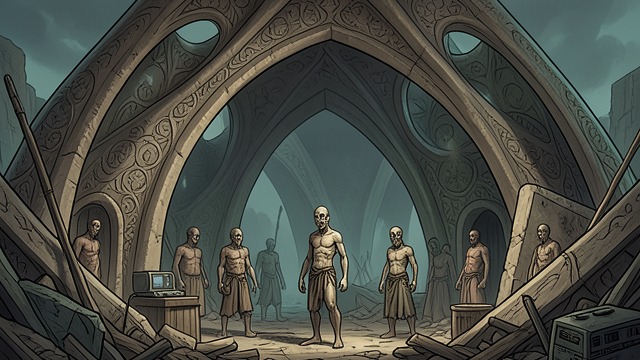
Cato finds industrial ruins whose architecture is unlike the System’s white boxes. The scale and workmanship suggest that Sydea once supported a complex civilization.
Monsters as Distortion
The zone’s humanoid monsters appear genetically related to the Sydeans. Cato cannot determine whether they are corrupted descendants, artificial copies, or deliberate parodies.
Historical Responsibility
The ruins force Cato to consider whether removing the System will restore anything or merely reveal more graves. His campaign becomes archaeology as well as war.
The Sunken City
The Sunken City
A Lost Culture
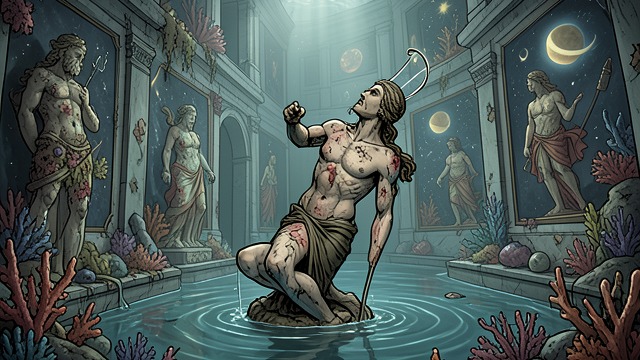
Cato finds underwater cities with frescoes, statues, and images of the twin suns and three moons. The evidence shows that Sydean culture once possessed art and symbolic traditions.
Preservation Against Erasure
He salvages a statue and records the remains rather than treating them as loot. The act reflects his belief that beauty deserves preservation even when its original society is gone.
A Larger Loss
The city is only one of countless cultures the System has overwritten. Cato realizes that liberation must include recovering memory, not merely restoring biological survival.
Language as Evidence
Language as Evidence
One System Language
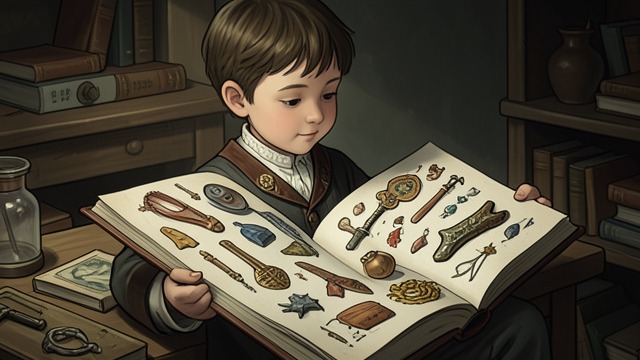
The System provides a universal language across thousands of species. Communication is convenient, but the convenience masks the erasure of native languages.
Cultural Compression
Cato sees the absence of local art, writing, and historical vocabulary as evidence that the System has reduced diversity to functional sameness.
Rebuilding Expression
After liberation, Cato supports local education and cultural reconstruction rather than replacing Sydean identity with Sol’s culture. The goal is recovery, not assimilation into a new empire.
Extinct Species
Extinct Species
A Biological Catalogue
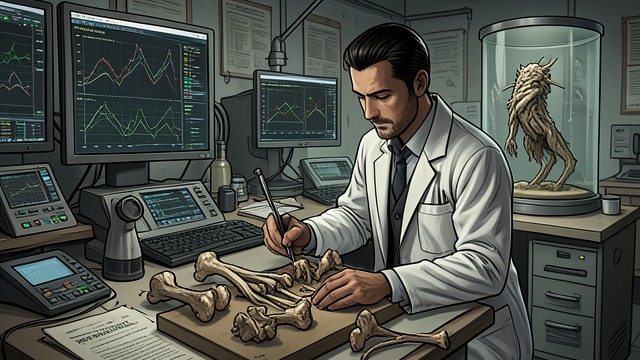
Cato’s databases and sampling reveal that many System races survive only as scattered individuals or corrupted monsters. Whole populations have disappeared from their original worlds.
Clan Expansion
Some extinctions come from direct System damage, while others result from stronger clans displacing weaker peoples. The System’s political order normalizes both processes.
Preservation as Resistance
Cato begins cataloguing genomes, reconstructing ecologies, and preserving minds. His work treats biodiversity and culture as strategic resources against the System’s flattening force.
The Return of Art
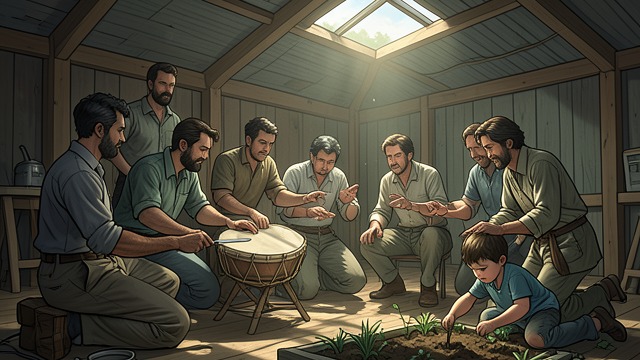
The Return of Art
Beyond Utility
Former System societies begin making music, instruments, gardens, houses, and stories. These activities have no direct reward in essence or rank.
New Cultural Ownership
The Urivans’ handmade instruments and Mii-Es’ reconstructed environment become examples of people creating culture rather than consuming System templates.
Freedom Made Visible
Art becomes evidence that the System’s victims are more than combatants. Its return marks the restoration of imagination as a social force.
Cato’s first passage through the Great Southern Ruins
During Cato’s ocean crossing
During Cato’s discussions with Sydean leaders
During Cato’s surveys of System worlds
Post-System reconstruction era
